

 哲学科
哲学科
 史学科
史学科
 国文学科
国文学科
 英文学科
英文学科
 ドイツ文学科
 フランス文学科
 新聞学科
新聞学科

-
SPSFプログラムとは
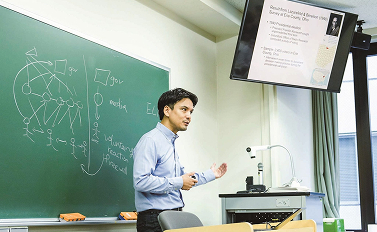
SPSF(Sophia Program for Sustainable Futures)は、上智大学の6つの学科(新聞学科、教育学科、社会学科、経済学科、経営学科、総合グローバル学科)が連携して実施する、英語による学位取得プログラムです。持続可能な社会の実現という共通テーマのもと、専門分野の学びと学際的な学びを組み合わせ、複雑な社会課題に対応できる人材の育成を目指しています。
学生は所属する学科で専門分野を深く学びながら、他学科の授業や共通科目を通じて多角的な視点を身につけます。すべての専門科目は英語で提供されており、4年間を通じて英語で学び、各学科の学位(学士)を取得することが可能です。
新聞学科のSPSFでは、ジャーナリズムとメディア・コミュニケーションの視点から持続可能な社会を考察します。報道やメディアの社会的役割や影響について理論と実践の両面から学び、現代社会の課題に対して、情報発信やコミュニケーションがどのように貢献できるかを探究します。新聞学科のSPSFは、日本で初めて英語でジャーナリズムを専門的に学ぶことができるプログラムでもあります。
1年次には基礎理論や調査方法を学び、2年次以降はジャーナリズム、マスコミュニケーション、国際コミュニケーション、映像制作、メディア倫理などの専門科目へと進みます。少人数のゼミを通じて分析力・発信力・批判的思考力を養い、最終的には卒業論文として研究成果をまとめます。
SPSF全体の学際的な環境の中で学びながら、新聞学科における専門的な学びも深めることで、グローバル社会において持続可能な未来の実現に貢献できる知識と実践力を身につけることを目指します。
SPSF (Sophia Program for Sustainable Futures) is an English-taught degree program jointly offered by six departments at Sophia University: Journalism, Education, Sociology, Economics, Management, and Global Studies. Under the shared theme of realizing a sustainable future, the program combines disciplinary specialization with interdisciplinary learning to develop individuals capable of addressing complex global challenges.
Students deepen their expertise within their home department while gaining diverse perspectives through courses offered by other departments and common SPSF subjects. All specialized courses are conducted in English, enabling students to complete their studies entirely in English over four years and earn a bachelor’s degree in their respective field.
Within SPSF, the Department of Journalism explores sustainable futures through the perspectives of journalism and media communication. Students examine the social roles and impacts of media from both theoretical and practical angles, and investigate how information dissemination and communication can contribute to addressing contemporary societal challenges. The Journalism SPSF is also the first program in Japan to offer a comprehensive education in journalism entirely in English.
In the first year, students acquire foundational theories and research methods. From the second year onward, they take specialized courses in journalism, mass communication, international communication, media production, and media ethics. Through small-group seminars, students develop analytical skills, communication skills, and critical thinking, culminating in a graduation thesis in their final year.
By engaging with the interdisciplinary environment of SPSF while deepening their disciplinary expertise in journalism, students are expected to acquire the knowledge and practical skills necessary to contribute to the realization of sustainable futures in a global society.